Showing posts with label Real Estate News. Show all posts

Tuesday, October 10, 2017


The Estate, Rent and Commission Agents Association of Nigeria (ERCAAN), has given a stern warning to those who have no genuine intention for the profession to stay clear of the practice rather than constituting a menace to its growth.

The association lamented that the real estate environment is now polluted with all sort of people who lacked basic training and knowledge of the profession, saying that the time has come for the association to find a lasting solution to the issue.

It also called on the government to review the Land Use Act as this would help to improve real estate business in Lagos and Nigeria at large.

Speaking at Estate, Rent and Commission Agents Association of Nigeria (ERCAAN) Lagos State Chapter’s 21 Annual Conference 2017, titled celebrating the 50 years of real estate business in Lagos State, held in Ikeja, the Chairman, Godwin Alenkhe said the Land Use Act has become a major set back to real estate business.

Alenkhe stated that what Estate, Rent and Commission Agents Association of Nigeria abides with government policies by encouraging members to obtain real estate business licenses, establish offices and go for regular training to update their skills professionally.

The Chief Executive Officer (CEO), United Auction House Limited, Dr. Jogun Onabanjo, who spoke on the impact of the auctioneering on real estate business, said training an auctioneer would help those who are into real estate business to sell more property.

He also appealed to the Lagos State government to as matter of urgency adopt the statutory law of real estate as it was established in the Lagos State Agency Authority and all other matters.
0


Senator Abu Ibrahim who happens to be the Chairman, Senate Committee on Police Affairs, says the Senate is committed to improving the welfare package for officers and men of the Nigeria Police.

Senator Ibrahim identified provision of decent and affordable shelter for policemen as one of the ways to boost their morale during active service as well as when they retire.

The Katsina South lawmaker spoke on the heels of reports that the Post -Service Housing Scheme of the Nigeria Police Force was under threat of being abandoned as a result of poor funding.

One of the schemes situated in Lagos and executed under a Public Private Partnership (PPP) arrangement is reported to have been technically grounded following the inability of the Police to meet its N6.6 billion counterpart funding obligation.

Already the first phase of the project comprising 500 units of three-bedroom flats have been completed and commissioned,
The second phase which is expected to deliver over a thousand bungalows also in Lagos is been stalled due to poor funding.

Ibrahim said the lack of adequate accommodation for police personnel across the country was a major hindrance to effective policing.

But this could be ameliorated, he said, by not only renovating barracks but by adequate funding of the Post Service Housing Schemes.

According to him, one of the factors responsible for corruption in the public service, particularly the Police is the absence of a mortgage system and the desperate quest by public servants to acquire wealth to build their own homes.

“The welfare of police personnel should always be taken seriously. Part of the welfare is housing and accommodation. We can only get the police to do their work effectively when it is well funded and policemen have better welfare schemes that guarantee them decent homes after they leave the service.

The incontrovertible conclusion therefore is that if we desire a Police Force that is efficient and capable of maintaining law and order as in other advanced countries, a sustainable fund arrangement must be put in place for the Nigeria police force,” he said.

Ibrahim noted that it was the need for proper funding of the police that informed decision to initiate a Bill for An Act to establish the Nigeria Police Development Fund.

The lawmaker lauded the unveiling and commissioning of the bungalows for the benefit of officers and men of the Nigeria Police Force in “Muhammadu Buhari Estate Mawo, Lagos.

,Managing Director Remax Realtors who handled the project, Mrs. Funke Adesoji was reported to have expressed her commitment to deliver the remaining housing units and craved the continued support of the Inspector General of Police to ensure that the housing units were delivered during his tenure as IGP.

Adesoji was also reported to have listed some of the challenges the construction of Muhammadu Buhari estate suffered including being caught up at construction stage with massive foreign exchange devaluation which shot the project cost up.
0

Thursday, September 21, 2017


The Central Bank of Nigeria (CBN), Governor Mr Godwin Emefiele, has recently identified various bottlenecks hindering genuine investors and by extension free flow of funds into the mortgage sector.

He spoke while delivering keynote address at a workshop for judicial officers on mortgage, with the theme: Mortgage Disputes in Nigeria: The Need for Expeditious Resolution of Case on Wednesday in Abuja, noted that “land tenure system as enshrined in the Land Use Act of 1978 has deterred proper development of a robust and sustainable housing sector in Nigeria”.

Mr Emefiele also discloses that difficulties in delivering affordable housing to low and middle-income households wherein lies the greatest demand for housing as another major drawback.

Speaking further, the Governor acknowledged limited access to housing and mortgage financing, complications in enforcing mortgage contracts and foreclosure on properties in Nigerian courts, slow bureaucratic procedures in land administration and the high cost of land registration as serious impediments to adequate housing delivery in Nigeria.

He also identified the high rate of population growth, high rate of rural-urban migration and the exorbitant cost of construction materials as other problems militating against the robust development of housing and mortgage sectors in the country.

While advocating for more protection of property and contract rights, the Governor commended some States in the Federation that have undertaken reforms aimed at improving access to courts and expressed optimism that the initiatives being championed by the Nigeria Housing Finance Program (NHFP) may present viable models for tackling teething problems confronting the housing sector in the country.

However, he reiterated the need to take urgent action aimed at expediting judicial process for adjudicating on mortgages and other commercial disputes
0

The Central Bank of Nigeria (CBN), Governor Mr Godwin Emefiele, has recently identified various bottlenecks hindering genuine investors and by extension free flow of funds into the mortgage sector.

He spoke while delivering keynote address at a workshop for judicial officers on mortgage, with the theme: Mortgage Disputes in Nigeria: The Need for Expeditious Resolution of Case on Wednesday in Abuja, noted that “land tenure system as enshrined in the Land Use Act of 1978 has deterred proper development of a robust and sustainable housing sector in Nigeria”.

Mr Emefiele also discloses that difficulties in delivering affordable housing to low and middle-income households wherein lies the greatest demand for housing as another major drawback.

Speaking further, the Governor acknowledged limited access to housing and mortgage financing, complications in enforcing mortgage contracts and foreclosure on properties in Nigerian courts, slow bureaucratic procedures in land administration and the high cost of land registration as serious impediments to adequate housing delivery in Nigeria.

He also identified the high rate of population growth, high rate of rural-urban migration and the exorbitant cost of construction materials as other problems militating against the robust development of housing and mortgage sectors in the country.

While advocating for more protection of property and contract rights, the Governor commended some States in the Federation that have undertaken reforms aimed at improving access to courts and expressed optimism that the initiatives being championed by the Nigeria Housing Finance Program (NHFP) may present viable models for tackling teething problems confronting the housing sector in the country.

However, he reiterated the need to take urgent action aimed at expediting judicial process for adjudicating on mortgages and other commercial disputes.
0

Niger State Governor, Alhaji Abubakar Sani Bello has shown that his administration is  committed  to partnering with Federal Government through the Head of Service of the Federation to improve capacity, provide affordable housing and other welfare needs of civil servants in the state according to Jibrin Baba Ndace, Chief Press Secretary

Governor Sani Bello stated this when he paid a courtesy call on the Head of  Service of the Federation (HOSF), Mrs Winifred  Oyo-Ita in Abuja.

The Governor disclosed that the purpose of his visit was to explore areas of mutual interest in the effort at repositioning the State Civil Service for improved service delivery.

“We have very hardworking civil servants. But over time there has been gap in capacity building. Hence, the purpose of this visit is to explore areas where Niger State Civil Service will partner with the Federal Civil Service on capacity building of workers for effective service delivery to the people.”

Governor Sani Bello said sustaining the change mantra at all tiers of government in the country required a public service that is not inclined to material acquisition, but one that is built on uprightness, honesty and high sense of integrity in service delivery to the people. 

“As we work to deliver service to the people, we require a civil service that is upright, honest, effective, efficient,  innovative, futuristic, dedicated and in-tune with global best practices in public service. This is only achievable through constant training and retraining of civil servants. ”

Governor Sani Bello who expressed his willingness to key-into Public Service Reforms undertaken by Federal  Civil Service noted that despite paucity of funds and inheriting a civil service with capacity- gap;  reforms and welfare of civil servants have been a top priority of his administration.

 “We inherited a civil service with capacity gap. This has created some challenges at state and local government levels. We are already partnering with Public Service Institute. 

We are committed to consolidating on all areas of mutual interests for benefits of the state. We are also determined to key-into Federal Integrated Housing Scheme  (FISH) ,  Efficient, Productive, incorruptible and Citizen-centred  (EPIC) civil service. and . ”

In her remarks, the Head of Service of the Federation, Mrs Winifred Oyo-Ita commended Governor Sani Bello’s developmental strides in the state and assured him of her office determination to partner with the state for a more effective service delivery. 

She said President Muhammadu Buhari’s administration is focused on building a civil service that is more efficient, productive, result-oriented, financially accountable and corruption resistant.

One of the highpoints of the visit was a presentation of plaque and decoration of Governor Sani Bello with Efficient, Productive, incorruptible and Citizen-centred (EPIC) Campaign badge. Chief of Staff to the Governor, Hon. Mikhail Al-Amin Bmitosahi and Commissioner of Finance, Alhaji Ibrahim Balarabe who accompanied the Governor were also decorated with Efficient, Productive, incorruptible and Citizen-centred badge.

0
    Niger State Governor, Alhaji Abubakar Sani Bello

Niger State Governor, Alhaji Abubakar Sani Bello has shown that his administration is  committed  to partnering with Federal Government through the Head of Service of the Federation to improve capacity, provide affordable housing and other welfare needs of civil servants in the state according to Jibrin Baba Ndace, Chief Press Secretary

Governor Sani Bello stated this when he paid a courtesy call on the Head of  Service of the Federation (HOSF), Mrs Winifred  Oyo-Ita in Abuja.

The Governor disclosed that the purpose of his visit was to explore areas of mutual interest in the effort at repositioning the State Civil Service for improved service delivery.

“We have very hardworking civil servants. But over time there has been gap in capacity building. Hence, the purpose of this visit is to explore areas where Niger State Civil Service will partner with the Federal Civil Service on capacity building of workers for effective service delivery to the people.”

Governor Sani Bello said sustaining the change mantra at all tiers of government in the country required a public service that is not inclined to material acquisition, but one that is built on uprightness, honesty and high sense of integrity in service delivery to the people. 

“As we work to deliver service to the people, we require a civil service that is upright, honest, effective, efficient,  innovative, futuristic, dedicated and in-tune with global best practices in public service. This is only achievable through constant training and retraining of civil servants. ”

Governor Sani Bello who expressed his willingness to key-into Public Service Reforms undertaken by Federal  Civil Service noted that despite paucity of funds and inheriting a civil service with capacity- gap;  reforms and welfare of civil servants have been a top priority of his administration.

 “We inherited a civil service with capacity gap. This has created some challenges at state and local government levels. We are already partnering with Public Service Institute. 

We are committed to consolidating on all areas of mutual interests for benefits of the state. We are also determined to key-into Federal Integrated Housing Scheme  (FISH) ,  Efficient, Productive, incorruptible and Citizen-centred  (EPIC) civil service. and . ”

In her remarks, the Head of Service of the Federation, Mrs Winifred Oyo-Ita commended Governor Sani Bello’s developmental strides in the state and assured him of her office determination to partner with the state for a more effective service delivery. 

She said President Muhammadu Buhari’s administration is focused on building a civil service that is more efficient, productive, result-oriented, financially accountable and corruption resistant.

One of the highpoints of the visit was a presentation of plaque and decoration of Governor Sani Bello with Efficient, Productive, incorruptible and Citizen-centred (EPIC) Campaign badge. Chief of Staff to the Governor, Hon. Mikhail Al-Amin Bmitosahi and Commissioner of Finance, Alhaji Ibrahim Balarabe who accompanied the Governor were also decorated with Efficient, Productive, incorruptible and Citizen-centred badge.

Source: NTA
0

The current huge housing deficit in Nigeria is worrisome. As at 2012, experts estimated the deficit to be at a minimum of 17 million units and recently raised an alarm that the figure could be up to 20 million units if a proper investigation of the state of affairs in the sector is undertaken. Worse still, experts say the majority of Nigerians live in blighted areas that are unfit for human habitation.

It is against this background that the organisers of the Abuja Housing Show and Abuja Housing Awards held the 12th edition of both programmes recently to raise awareness on the challenges confronting the sector and to also recognise organisations that have made significant contributions to the growth and development of the housing sector in recent years.

Minister of Power, Works and Housing, Mr. Babatunde Fashola, who was at the event together with other senior government officials, decried the current situation which effectively enables only one per cent of the Nigerian population access mortgage facilities, saying it is extremely low relative to a country like the United Kingdom with 77 percent.

Fashola expressed concern that the deficit is apparent both on the supply and demand sides. According to him, it is not just that the housing situation is grossly inadequate to satisfy the needs of the population, access to a mortgage is also inadequate. The minister noted that financial institutions have allocated barely one per cent of their loan portfolios to housing and about 11 percent to construction in the last 30 years.

Nonetheless, a financial institution that bucked this trend was given due recognition at the awards ceremony to the delight of the audience. Sterling Bank Plc, which emerged as the Housing Friendly Commercial Bank of the Year, is one financial institution that has played a significant role in the housing sector by adopting an innovative model that takes adequate care of the demand and supply sides.

Indeed, Sterling Bank won the award as a result of its remarkable impact on housing delivery in Nigeria’s housing sector. The bank has established a firm footing in the housing sector by wholly and partly financing some landmark real estates in the country.

Some of the housing estates include the part-financing of Crown Court Mabushi in Abuja for Crown Realities Plc. The project comprises 72 units of three-bedroom flats, 18 units of four-bedroom semi-detached houses and 16 units of detached four-bedroom houses.

Prior to this, Sterling Bank had part-financed the prestigious Crown Estate in Lekki, located on a 41.7 hectares gated private estate along the Lagos-Epe Expressway in 2000.The bank has also wholly financed another residential estate for Crown Court in Durumi, Abuja which was inaugurated recently by the Minister of the FCT, Mr. Mohammed Bello.

Managing Director and Chief Executive, Crown Realities Plc, Mr. Darl Uzu, commended Sterling Bank for stepping in to provide critical financing for development projects in the country, particularly in a period of recession.

Executive Director, Commercial and Institutional Banking of Sterling Bank, Mr. Lanre Adesanya described the bank’s partnership with Crown Realities as a huge success. He said the real estate development company was tested and found to be well-managed, prudent and cost-efficient. He said the partnership is a success story for Sterling Bank, adding that the bank is willing to do more for whosoever is willing to do what Crown Realities has done.

Group Head, Non-Interest Banking Group of Sterling Bank, Mr. Basheer Oshodi noted that apart from Housing Friendly Award, Sterling Bank also won a similar award tagged “The European-Islamic Bank of the year Africa in 2016” in London which was organised by a UK based magazine, The European. He said the awards were won in recognition of the giant strides also being taken by the Non-Interest Banking Group in Nigeria’s housing sector.

Oshodi said the model of engagement created by the NIB group enhanced the ability of many Nigerians to own houses under a flexible mode of payment, adding that the NIB group has done so much in making affordable housing available to Nigerians.

“We have developed an innovative method of home ownership for Sterling Bank customers. The model gives an opportunity to the buyer to own a house without the stress of bulk payment. 

Where the house is already built, a prospective homeowner simply makes equity contribution and is booked for future ownership. Even if there is no house on the ground and the customer signifies an intention to access a mortgage, the next step will be to start contributing equity,” Oshodi said.

There is no doubt that Sterling Bank is making significant contributions to the growth and development of Nigeria’s beleaguered housing sector. Although it may represent a drop in the ocean, the giant strides of Sterling Bank in the housing sector would certainly play a role in ameliorating the situation. 

It is hoped that other corporate bodies would emulate Sterling Bank’s laudable effort and help to reduce the housing deficit so that every Nigerian will have access to decent housing.
0

The current huge housing deficit in Nigeria is worrisome. As at 2012, experts estimated the deficit to be at a minimum of 17 million units and recently raised an alarm that the figure could be up to 20 million units if a proper investigation of the state of affairs in the sector is undertaken. Worse still, experts say the majority of Nigerians live in blighted areas that are unfit for human habitation.

It is against this background that the organisers of the Abuja Housing Show and Abuja Housing Awards held the 12th edition of both programmes recently to raise awareness on the challenges confronting the sector and to also recognise organisations that have made significant contributions to the growth and development of the housing sector in recent years.

Minister of Power, Works and Housing, Mr. Babatunde Fashola, who was at the event together with other senior government officials, decried the current situation which effectively enables only one per cent of the Nigerian population access mortgage facilities, saying it is extremely low relative to a country like the United Kingdom with 77 percent.

Fashola expressed concern that the deficit is apparent both on the supply and demand sides. According to him, it is not just that the housing situation is grossly inadequate to satisfy the needs of the population, access to a mortgage is also inadequate. The minister noted that financial institutions have allocated barely one per cent of their loan portfolios to housing and about 11 percent to construction in the last 30 years.

Nonetheless, a financial institution that bucked this trend was given due recognition at the awards ceremony to the delight of the audience. Sterling Bank Plc, which emerged as the Housing Friendly Commercial Bank of the Year, is one financial institution that has played a significant role in the housing sector by adopting an innovative model that takes adequate care of the demand and supply sides.

Indeed, Sterling Bank won the award as a result of its remarkable impact on housing delivery in Nigeria’s housing sector. The bank has established a firm footing in the housing sector by wholly and partly financing some landmark real estates in the country.

Some of the housing estates include the part-financing of Crown Court Mabushi in Abuja for Crown Realities Plc. The project comprises 72 units of three-bedroom flats, 18 units of four-bedroom semi-detached houses and 16 units of detached four-bedroom houses.

Prior to this, Sterling Bank had part-financed the prestigious Crown Estate in Lekki, located on a 41.7 hectares gated private estate along the Lagos-Epe Expressway in 2000.The bank has also wholly financed another residential estate for Crown Court in Durumi, Abuja which was inaugurated recently by the Minister of the Federal Capital Territory (FCT), Mr. Mohammed Bello.

Managing Director and Chief Executive, Crown Realities Plc, Mr. Darl Uzu, commended Sterling Bank for stepping in to provide critical financing for development projects in the country, particularly in a period of recession.

Executive Director, Commercial and Institutional Banking of Sterling Bank, Mr. Lanre Adesanya described the bank’s partnership with Crown Realities as a huge success. He said the real estate development company was tested and found to be well-managed, prudent and cost-efficient. He said the partnership is a success story for Sterling Bank, adding that the bank is willing to do more for whosoever is willing to do what Crown Realities has done.

Group Head, Non-Interest Banking Group of Sterling Bank, Mr. Basheer Oshodi noted that apart from Housing Friendly Award, Sterling Bank also won a similar award tagged “The European-Islamic Bank of the year Africa in 2016” in London which was organised by a UK based magazine, The European. He said the awards were won in recognition of the giant strides also being taken by the Non-Interest Banking Group in Nigeria’s housing sector.

Oshodi said the model of engagement created by the NIB group enhanced the ability of many Nigerians to own houses under a flexible mode of payment, adding that the NIB group has done so much in making affordable housing available to Nigerians.

“We have developed an innovative method of home ownership for Sterling Bank customers. The model gives an opportunity to the buyer to own a house without the stress of bulk payment. 

Where the house is already built, a prospective homeowner simply makes equity contribution and is booked for future ownership. Even if there is no house on the ground and the customer signifies an intention to access a mortgage, the next step will be to start contributing equity,” Oshodi said.

There is no doubt that Sterling Bank is making significant contributions to the growth and development of Nigeria’s beleaguered housing sector. Although it may represent a drop in the ocean, the giant strides of Sterling Bank in the housing sector would certainly play a role in ameliorating the situation. It is hoped that other corporate bodies would emulate Sterling Bank’s laudable effort and help to reduce the housing deficit so that every Nigerian will have access to decent housing.
0

Thursday, September 14, 2017


Last weekend, prospective investors, stakeholders, built and construction stakeholders, government officials, operators in the financial sector and other Nigerians, converged on Ikate-Elegushi, Lagos, to witness the beginning of dredging of the Lagos Lagoon.

The dredging signalled the commencement of construction work on the Imperial International Business City (IIBC), a multi-billion naira project, in Eti-Osa Local Government Area of Lagos State, promoted by the Elegushi Royal Family (ERF) and Messrs ChannelDrill Resources Limited, a real estate developer. The IIBC,  planned to be built as the truly first smart city in Africa, has been described as a smart and eco-friendly city, which will redefine the standard of urban development in Africa.

The Imperial International Business City (IIBC) is a city to be built from the scratch, and is said to be the next big thing after the Eko Atlantic City, but only in terms of size. For instance, it is envisaged to be a city with distinct zones and building regulations, with each zone having low, medium and high-density areas with water view. The city will be 3.5 metres above sea level, in spite of the fact that studies have shown that over the next 75 years the Lagoon will not rise beyond one metre.

Some of the zones already identified in the city include the Marina West Zone, which will enjoy a cosmopolitan lifestyle with waterside dining and leisure; Marina East, built to have a community feel and Nigerian bohemian vibe; Imperial Gardens West, touted as a neighbourhood centre and located in a botanical setting with key viewpoints; Imperial Gardens East, a quiet residential neighbourhood; Imperial Beach, an exclusive residential neighbourhood, which will offer residents coastal living; Kings Island, to be built as an exclusive private island, and Park Avenue, a formal arrangement lining a tropical green boulevard.

Presenting the Imperial International Business City (IIBC) concept, described as a destination for regional and international business to the public, ChannelDrill’s Managing Director Mr. Femi Akioye said the term smart city, has been abused in the Nigerian property sector, as it often represents unfulfilled promises. He blamed it on the proverbial ‘Nigerian factor’, which ab initio plagues the planning and design schemes of newly-developed communities, thereby making living, working, and playing in such developments, at best, sub-optimal.

Akioye said the IIBC as a smart city, is “an Integrated city because it combines the features of a ”Green City”, designed with environmental impact consideration. “The ocean doesn’t hide its nature; the Lagoon is a fox. The Lagoon will rise in the next few years, but we are building for the future. We can safely say that IIBC is going to be a flood free city for at least 75 years.  It is also the only island that has more than one entry point. Our roads are designed to make sure that crippling traffic will never occur in IIBC,” Akioye assured.

Taking investors through the project, Akioye said on electricity, IIBC comes with an independent power plant (IPP) to ensure that it does not only enjoy stable power supply, but will also use clean energy supply. The IPP will also make the city to be self- sustaining. Besides,  IPP will ensure that there is no need for generators by residents, leading to clean city.

Also, there will be a waste treatment plant to be built on the Island, which will be producing methane that will be used for production of more electricity or cooking gas. “Electricity will be available on 24/7 basis; cooking gas will also be piped into each building thereby eliminating the use of gas cylinders in the city,” Akioye explained.

Shedding light on the power project within the development, Akioye explained that due to intermittent power supply, the developers have assumed that Lagos does not have the capacity to uptake the new demand levels of the island. “Therefore, a new intake substation on the Island would be supplied directly from an existing substation on the mainland via a subsea cable,” he said.

Akioye added that exhaust gasses from the generators used in the IPP will be treated by a dedicated gas cleaning plant to ensure that fumes released into the atmosphere complies with the exhaust of generators with international standards; secondary power will be generated by alternative sources such as waste to power plants, while the fuel, which is liquefied natural gas (LNG), will be supplied to the city via barges.

“Fuel will be pumped into bulk fuel storage bays via pipelines from the coast. Bulk storage feeds into a treatment plant before entering generator supply streams,” he explained. Infrastructure development in the city is being handled by Mott MacDonald Limited, London, United Kingdom (UK).

ChannelDrill Chairman, Mr. Emeka Ndu, is also of the view that his firm believed that the “Nigerian factor” can be one that speaks excellence, which is why the firm is now telling a new story- a happy story of Nigeria and in Nigeria.

“Our IIBC story tells of how through thorough and meticulous design, uncompromising vision and latest technology. We are solving the challenges we face in our societies. We are solving these challenges in a technologically smart, environmentally friendly, and socially sustainable manner.

The old story tells of the challenges of unanticipated floods, unnerving traffic, unstable power, unmanaged waste, and unavailable ICT.  But our story tells of how all of these challenges have been solved in the Imperial International Business City. Our story tells of details, of care, of passion, of love, of devotion. A devotion to excellence. A devotion that never ends,”he said.

Elegushi family head, Oba Saheed Ademola Elegushi, the Imperial International Business City (IIBC) project becomes imperative, considering that with the rising population of Lagos State, and in view of the fact that land is fixed in supply, the family thought it is necessary to contribute to the accommodation needs of the people.

“Besides, this is a legacy, not necessarily for making money. We have travelled all over the world and we see the infrastructural wonders in all those places. Then, I asked myself, is it a curse that balckman cannot do something better? That was part of the reason for conceiving the project. Initially, it was like a dream, but we thank God, it has become a reality”, said Oba Elegushi.

General Manager, Dredging International Services Limited, Mr. Stefan Van Velthoven, consultant handling the reclamation work, also allayed the fear of flooding in the Imperial International Business City (IIBC), considering that flooding has been a regular occurrence in the Lekki axis.

According to him, the scenario has been played out at the preliminary stage of planning to ensure the safety, serenity and comfort planned for the Imperial International Business City (IIBC).

“We have been collaborating with Channeldrill Resources to ensure that nothing untoward happens in the future. We have set 3.5 metre above the sea level and we had already mobilised to site equipment to commence the first phase of sandfilling, which is about 100 hectares  and within the next one year, we will complete the second phase,” he said.

With an area of 200 hectares Imperial International Business City, (IIBC) will be zoned into residential, mixed use and commercial areas. Each zone will have low, medium and high density area, each zone will also be divided into inner city, water ways view and Lagoon view areas.

The projects topwaterways, underground drainage, sewage, water and water treatment plant, Independent electricity ( Gas Generated), fiber optics cable, cloud enabled communication network and smart city/house infrastructure for willing subscribers, a mini marina, first smart shopping mall in Africa, cloud enabled 24 hours spy eyed security connected to a central security center, world class hospital within a dedicated healthcare zone.

Access roads to the new city are currently three and they are Freedom Road through Lekki Phase 1 (Lekki Third Roundabout), Kunsenla Road by 4th Roundabout off Lekki-Epe highway, Oba Saheed Ademola Elegushi road by SPAR supermarket before Jakande. Other access roads will be through Femi Okunnu and Jakande roundabout in the future.

Land will be sold at plot sizes of 650 square metres, 800 square metres, 1000 square metres and 1200 square metres. Buyers will get a contract 
0


Last weekend, prospective investors, stakeholders, built and construction stakeholders, government officials, operators in the financial sector and other Nigerians, converged on Ikate-Elegushi, Lagos, to witness the beginning of dredging of the Lagos Lagoon.

The dredging signalled the commencement of construction work on the Imperial International Business City (IIBC), a multi-billion naira project, in Eti-Osa Local Government Area of Lagos State, promoted by the Elegushi Royal Family (ERF) and Messrs ChannelDrill Resources Limited, a real estate developer. The IIBC,  planned to be built as the truly first smart city in Africa, has been described as a smart and eco-friendly city, which will redefine the standard of urban development in Africa.

The Imperial International Business City (IIBC) is a city to be built from the scratch, and is said to be the next big thing after the Eko Atlantic City, but only in terms of size. For instance, it is envisaged to be a city with distinct zones and building regulations, with each zone having low, medium and high-density areas with water view. The city will be 3.5 metres above sea level, in spite of the fact that studies have shown that over the next 75 years the Lagoon will not rise beyond one metre.

Some of the zones already identified in the city include the Marina West Zone, which will enjoy a cosmopolitan lifestyle with waterside dining and leisure; Marina East, built to have a community feel and Nigerian bohemian vibe; Imperial Gardens West, touted as a neighbourhood centre and located in a botanical setting with key viewpoints; Imperial Gardens East, a quiet residential neighbourhood; Imperial Beach, an exclusive residential neighbourhood, which will offer residents coastal living; Kings Island, to be built as an exclusive private island, and Park Avenue, a formal arrangement lining a tropical green boulevard.

Presenting the Imperial International Business City (IIBC) concept, described as a destination for regional and international business to the public, ChannelDrill’s Managing Director Mr. Femi Akioye said the term smart city, has been abused in the Nigerian property sector, as it often represents unfulfilled promises. He blamed it on the proverbial ‘Nigerian factor’, which ab initio plagues the planning and design schemes of newly-developed communities, thereby making living, working, and playing in such developments, at best, sub-optimal.

Akioye said the Imperial International Business City as a smart city, is “an Integrated city because it combines the features of a ”Green City”, designed with environmental impact consideration. “The ocean doesn’t hide its nature; the Lagoon is a fox. The Lagoon will rise in the next few years, but we are building for the future. We can safely say that IIBC is going to be a flood free city for at least 75 years.  It is also the only island that has more than one entry point. Our roads are designed to make sure that crippling traffic will never occur in Imperial International Business City,” Akioye assured.

Taking investors through the project, Akioye said on electricity, IIBC comes with an independent power plant (IPP) to ensure that it does not only enjoy stable power supply, but will also use clean energy supply. The IPP will also make the city to be self- sustaining. Besides,  IPP will ensure that there is no need for generators by residents, leading to clean city.

Also, there will be a waste treatment plant to be built on the Island, which will be producing methane that will be used for production of more electricity or cooking gas. “Electricity will be available on 24/7 basis; cooking gas will also be piped into each building thereby eliminating the use of gas cylinders in the city,” Akioye explained.

Shedding light on the power project within the development, Akioye explained that due to intermittent power supply, the developers have assumed that Lagos does not have the capacity to uptake the new demand levels of the island. “Therefore, a new intake substation on the Island would be supplied directly from an existing substation on the mainland via a subsea cable,” he said.

Akioye added that exhaust gasses from the generators used in the IPP will be treated by a dedicated gas cleaning plant to ensure that fumes released into the atmosphere complies with the exhaust of generators with international standards; secondary power will be generated by alternative sources such as waste to power plants, while the fuel, which is liquefied natural gas (LNG), will be supplied to the city via barges.

“Fuel will be pumped into bulk fuel storage bays via pipelines from the coast. Bulk storage feeds into a treatment plant before entering generator supply streams,” he explained. Infrastructure development in the city is being handled by Mott MacDonald Limited, London, United Kingdom (UK).

ChannelDrill Chairman, Mr. Emeka Ndu, is also of the view that his firm believed that the “Nigerian factor” can be one that speaks excellence, which is why the firm is now telling a new story- a happy story of Nigeria and in Nigeria.

“Our IIBC story tells of how through thorough and meticulous design, uncompromising vision and latest technology. We are solving the challenges we face in our societies. We are solving these challenges in a technologically smart, environmentally friendly, and socially sustainable manner.

The old story tells of the challenges of unanticipated floods, unnerving traffic, unstable power, unmanaged waste, and unavailable ICT.  But our story tells of how all of these challenges have been solved in the Imperial International Business City. Our story tells of details, of care, of passion, of love, of devotion. A devotion to excellence. A devotion that never ends,”he said.

Elegushi family head, Oba Saheed Ademola Elegushi, the Imperial International Business City (IIBC) project becomes imperative, considering that with the rising population of Lagos State, and in view of the fact that land is fixed in supply, the family thought it is necessary to contribute to the accommodation needs of the people.

“Besides, this is a legacy, not necessarily for making money. We have travelled all over the world and we see the infrastructural wonders in all those places. Then, I asked myself, is it a curse that balckman cannot do something better? That was part of the reason for conceiving the project. Initially, it was like a dream, but we thank God, it has become a reality”, said Oba Elegushi.

General Manager, Dredging International Services Limited, Mr. Stefan Van Velthoven, consultant handling the reclamation work, also allayed the fear of flooding in the Imperial International Business City, considering that flooding has been a regular occurrence in the Lekki axis.

According to him, the scenario has been played out at the preliminary stage of planning to ensure the safety, serenity and comfort planned for the Imperial International Business City (IIBC).

“We have been collaborating with Channeldrill Resources to ensure that nothing untoward happens in the future. We have set 3.5 metre above the sea level and we had already mobilised to site equipment to commence the first phase of sandfilling, which is about 100 hectares  and within the next one year, we will complete the second phase,” he said.

With an area of 200 hectares Imperial International Business City, (IIBC) will be zoned into residential, mixed use and commercial areas. Each zone will have low, medium and high density area, each zone will also be divided into inner city, water ways view and Lagoon view areas.

The projects topwaterways, underground drainage, sewage, water and water treatment plant, Independent electricity ( Gas Generated), fiber optics cable, cloud enabled communication network and smart city/house infrastructure for willing subscribers, a mini marina, first smart shopping mall in Africa, cloud enabled 24 hours spy eyed security connected to a central security center, world class hospital within a dedicated healthcare zone.

Access roads to the new city are currently three and they are Freedom Road through Lekki Phase 1 (Lekki Third Roundabout), Kunsenla Road by 4th Roundabout off Lekki-Epe highway, Oba Saheed Ademola Elegushi road by SPAR supermarket before Jakande. Other access roads will be through Femi Okunnu and Jakande roundabout in the future.

Land will be sold at plot sizes of 650 square metres, 800 square metres, 1000 square metres and 1200 square metres. Buyers will get a contract 
0
The concept of adequate housing implies more than just a dwelling but includes all that is within the dwelling and the creation of a conducive environment in which people live and grow.

Almost half of Nigeria’s population live in cities, with 64.2 percent living in slum conditions. The rapid growth of cities have engulfed nearby towns and villages, and pushed back mangrove, while the lack of adequate infrastructure and planning have caused deforestation, congestion, poor health, and poverty.

The Nigerian real estate sector is growing fast and is now the sixth largest sector in the economy. Yet, Nigeria still has a low homeownership rate of 25 percent, lower than that of Indonesia (84 percent), Kenya (73 percent), and South Africa (56 percent). 

Home purchase and rent prices have grown ahead of general inflation, a standard three bedroom middle income apartment currently commands a rent of 300, 000 NGN per annum and a purchase price of 10 Million NGN. The major issues that continue to affect housing in Nigeria include inadequate access to finance, slow administrative procedures, the high cost of land registration, and titling. Even some Government policies on housing in Nigeria are not favourable.

The most pathetic feature of her society today is that a majority of its members are living in a state of hardship, while the remaining relatively insignificant minority is living in affluence.

Housing affordability is therefore compromised when households in the bottom 40% of income distribution spend more than 30% of their household income on housing, adjusted for household size. Slum areas are often blighted, overcrowded, and lacking in standard conveniences such as electricity, water, drainage and health services.

The shortage of housing in the urban areas is more pronounced and critical than in the rural areas. Thus, cities suffer more than villages due to urbanisation.

The challenges of housing in Nigeria vary; housing in Nigeria may continue to remain a major problem if not tackled. Although specialists have proffered some housing problem solutions in Nigeria, they have little or no impact. Housing problems in Nigerian cities are peculiar and severe.

The top five cities in Nigeria with the highest housing deficit are the country’s major cities. So set sail, as we anchor on real estate to explore cities with the highest housing deficit in Nigeria;

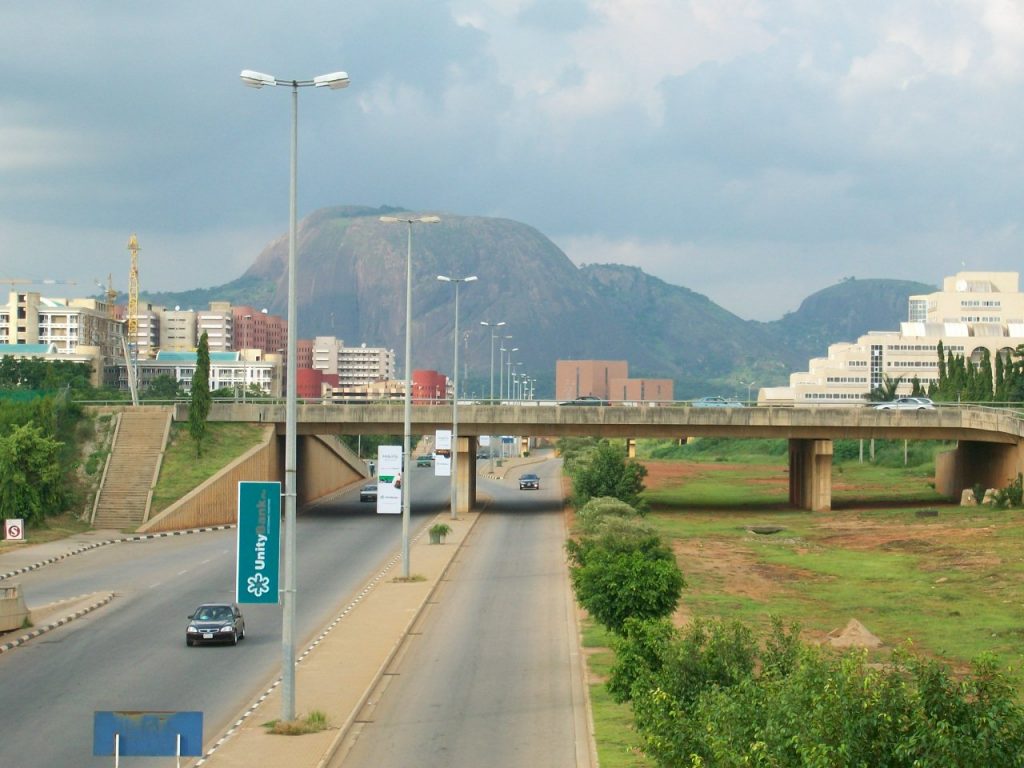
1. Abuja

Abuja accounts for 10 percent of the 17 million housing deficit in Nigeria. This represents about 1.7million of the housing deficit in Nigeria. In other words, Abuja needs 1.7million houses to adequately accommodate its residents.

One of the fastest growing cities in Nigeria and indeed in Africa, is Abuja, Nigeria’s federal capital territory, where the cost of accommodation has hit the roof, so much so that over 70 percent of its working population commute to work from far-flung satellite towns and neighbouring states, because they could not afford the rents demanded by landlords.

It has been observed by experts that the housing deficit of 1.7million in the Federal Capital Territory (FCT) Abuja, may not be remedied unless there is a paradigm shift in the housing policy. The cost of renting a mini flat here may be as high as 750,000 in some areas. Some three bedroom flats for rent are also as high as 6,000,000 in popular areas.

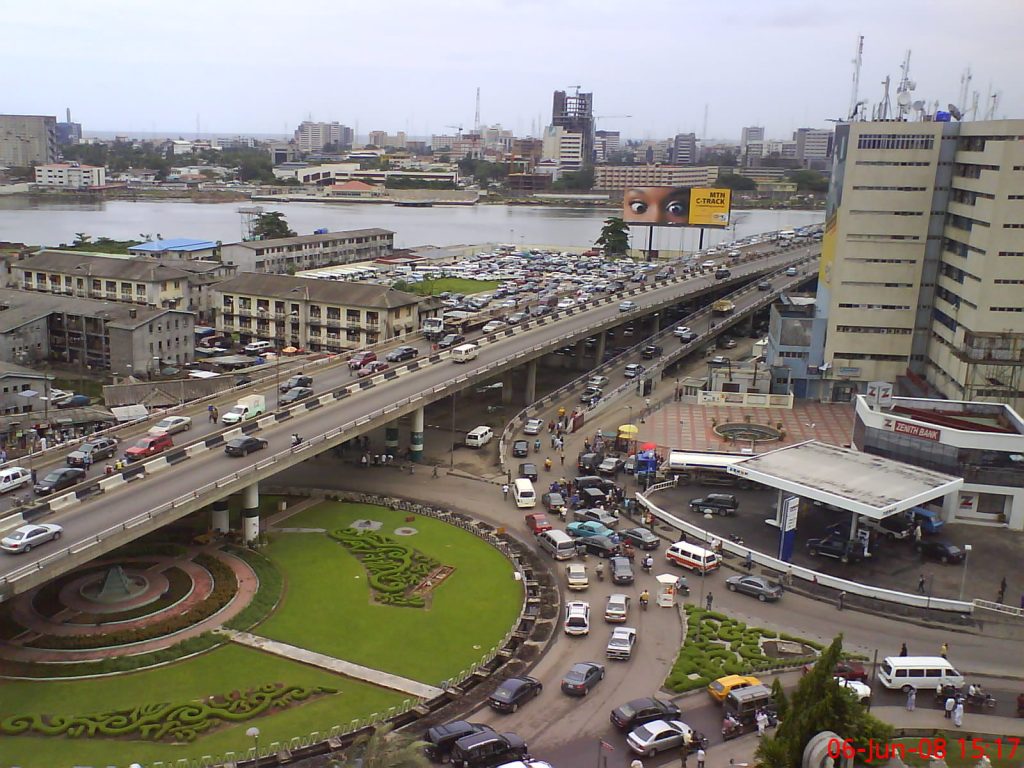
2. Lagos

The centre of excellence it is called, but if the nation was human, Lagos would make up its entire circulatory system. If the nation was a cup of coffee, this city is the cream that has risen to the top. This amazingly beautiful abode has a way of seducing even the most ardent pessimist into believing that virtually anything is possible.

Lagos prides itself as a megacity primarily because of itslocation. 

One of the major seaports in the country is situated in this city due to its strategic location. Since Lagos is bordered by a tributary of the Atlantic ocean, it makes its location best suited for the importation. real estate entrepreneurs have intensified the business of providing affordable housing for both low, medium as well as large income earners living in the city of Lagos. But Lagos still needs 187,500 Housing units to overcome housing deficit. Lagos, Nigeria’s commercial hub has a quality of life of 0.63, which is low compared to commercial centres in Europe like Paris with 0.93 or London with 0.90 according to UN Habitat.

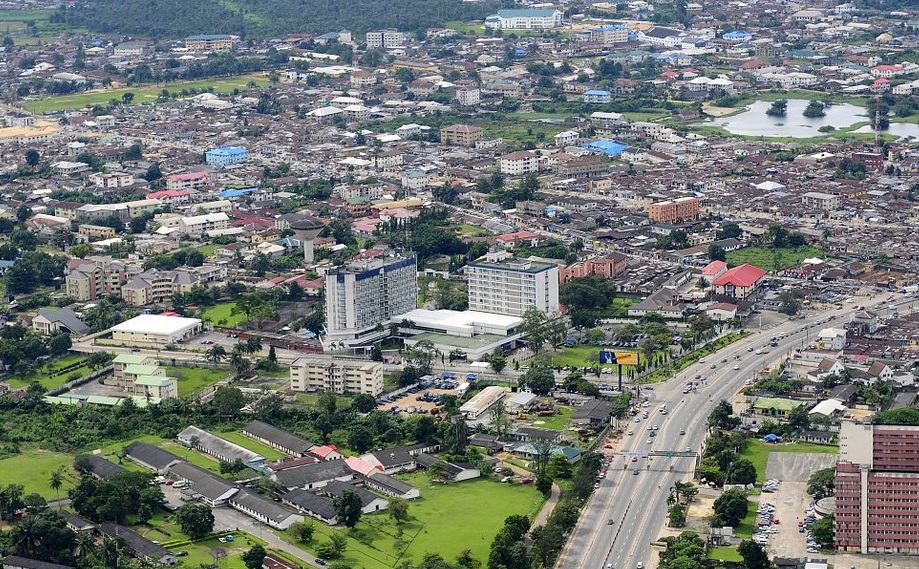
3. Port Harcourt

The main city of Port Harcourt is the Port Harcourt City consisting of the former European quarters now called Old GRA and New Layout areas. Port Harcourt, which is the current capital of Rivers State, is highly congested as it is the only major city in the state. Its total population was estimated at 2,000,000 as of 2009, making it one of the largest metropolitan areas in Nigeria.

Port Harcourt is a major industrial centre as it has a large number of multinational firms as well as other industrial concerns, particularly business related to the petroleum industry.

There’s an international airport, Port Harcourt International Airport on the outskirts of the city, a Nigerian Air Force (NAF) base which is the location of the only other airport used by commercial airlines, two seaports (FOT Onne, Port Harcourt Wharf), and two stadiums (Sharks Stadium, also the civic center and Liberation Stadium) located in Elekahia. The city is sprawling in nature as building codes and zoning regulations are poorly enforced. Face-me-I-face-you architecture is quite common in certain parts of Port Harcourt and the cost of renting a flat is quite high compared to other places in Nigeria. The cost of renting a flat here ranges between 300,000 NGN and 7 Million NGN depending on the size, location and facilities available in the property.

4. Calabar

This city lies on a peninsula formed by the Calabar River, Great Kwa River, the Cross River State estuary and the Atlantic Ocean. The gap between the supply and demand for housing has been widening with time. Thegrowing housing shortage is confirmed by overcrowding levels that are found in the area.

The population of Calabar has risen in the past decade due to its serene environment as well as the making of the area as the flagship of tourism in the country. These attributes have pushed migrants both from the rural and neighbouring states and countries to the state in search of job and pleasure. The increase in urban population without a corresponding provision of housing units has exacerbated housing problems in the area, with landlords and landladies holding tight to the opportunity. 

Duplex is rarely rented probably due to its cost, the commonly rented apartment is a single room house followed by one bedroom flat. The cost of renting a flat here is between 400,000 NGN to 2,500,000 NGN depending on the size, facilities and location. While a duplex can go for as high as 6,000,000 NGN.

5. Warri

This city has a modern seaport which serves as the cargo transit point between the Niger River and the Atlantic Ocean for import and export.Warri city is one of the major hubs of petroleum activities and businesses in the southern Nigeria. It is a commercial capital city of Delta State.

Warri is regarded as a modern metropolitan area with expanded infrastructural development in other local government areas such as Uvwie, Udu, and Okpe in recent years, with various road networks linking these places into one.

There is the Warri Refinery and Petrochemicals located at Ekpan, Ubeji and Ifie–Kporo were the majority of international and local oil companies operating in Nigeria having their operational offices close by. One of the nation’s major seaports is sited within Ugbuwangue, Warri. Delta Steel Company located at Aladja and Otorogu Gas Plants at Otor–Udu, Warri. The cost of renting a two or three bedroom flat here ranges between 300,000 NGN to 1 Million NGN.

0

Wednesday, September 13, 2017


With the Nigerian economy emerging from recession, the real estate sector in Nigeria seems to be turning the corner.

The easing of inflationary pressure, improved investment inflows, increased oil production and an improvement of foreign exchange liquidity, have all contributed to a positive growth outlook for the country.

Nigeria has faced strong headwinds in the past two years, however, the currency uncertainty and falling oil price and production that have weighed heavily on consumer confidence are giving way.

The World Bank predicted an exit from recession this year and economic growth of 1%, which was later reviewed to 1.2% by mid-year.

The trend towards recovery is permeating throughout West Africa with the Ivory Coast and Senegal showing continued growth and Ghana’s peaceful elections cementing the country’s political and democratic maturity. This bodes well for business in Ghana as the International Monetary Fund has pegged the country’s Gross Domestic Product (GDP) growth at around 6% for the year.

Industry stakeholders will gather at the West Africa Property Investment Summit 28 and 29 September 2017 at the Eko Hotel in Lagos, Nigeria to discuss ways to overcome current obstacles and uncover the countless opportunities across Nigeria and the broader West African region.

“With a population of over 185 million people, strong real estate development fundamentals and a +6% contribution of real estate to GDP, we believe in the long-term potential of Nigeria’s real estate sector and are excited to host our conference in Lagos, says Kfir Rusin, American Petroleum Institute (API) Events Managing Director.

“Whilst there have been some short-term headwinds there are encouraging signs of market improvement and the summit will provide a vehicle in driving back prosperity into the local and regional property market,” he adds.
0


Experts say the real estate is witnessing an anomaly where the prices of houses are going down, while the cost of land is going up, a development linked to the depreciation of the Naira and unfixed cost of capital. Unless relevant stakeholders take urgent steps, the real estate sector, which has been seriously hit by the recession since last year, will not fare better in 2017.

This was the position of experts during the yearly review of the real estate industry anchored by a Lagos-based developer, Debo Adejana.With residential vacancy rate in Lagos put at around 33 per cent, 28 per cent in Abuja and 13 per cent in Port Harcourt, investors in the sector, are yet to see light at the end of the tunnel as companies and personal incomes continue to shrink in response to inflation.

The cost of cement, which is a major component in Building, is still uncontrolled from N1500 to N2500, while buyers have become more selective and picky, making quality and price a key factor.

There is also no difference in retails development, which came down leaving a vacancy rate of between 33-50 percent, among large shopping malls.Apart from few blue chip developers, who were able to raise capital, it was a sorry tale for many others.

Available data shows that real estate contributes about eight per cent to the Nigerian economy which is now in a recession following two consecutive quarters of GDP contraction. In addition to this, real estate has been in decline and has contracted so many times.

According to Tayo Odunsi, a real estate finance expert, the industry in 2016 was particularly hit by a delay in the passing of budgets.The economic infraction and recession, he said also forced investors to pull out from equity market leaving government as the principal actor, which borrowed extensively at a ridiculous rate.

As a result, businesses stifled and the real estate could not compete because of Foreign Exchange problems. In the first and second quarters, the real estate witnessed lull in-house, retail and office space prices.This development, he said, will continue in 2017, unless there is a defined foreign exchange policy, which must be implemented. According to him, there has been implementation problem even from those who define it.

Developers are not doing finished products because the finishing is the highest component, and import based. Subscribers are being asked to finish according to their financial muscle and taste. Also Business Development and Strategy Manager, Realty Point Limited, Akin Arogundade, said the Forex issues impacted much on the input components of the real sector, which are import- based. This, he said affected affordability of houses for a majority of Nigeria, while default rates got higher because many developers could not honour agreement in terms of quality and time of delivery.

He, therefore, called a review of planning regulation in the country, saying the present regulation is archaic and not dynamic in meeting realities of the moment. According to him, infrastructure must be put in place for real estate sector, while government should serve as a regulator and an enabler.

For Olatodun Olushola, an architect, the economic situation has led to the oversupply of commercial spaces, the emergence of co-working spaces, and commercial retail space.

According to him, there is a lot of uncertainty in government policies and programmes, which affected the market. “The market does not like uncertainty, a lot of certainty is now taking place in government policies although many things are still inconsistent in many areas”. He noted.

For Mortgage banker, Arinze Adigwe, people are now moving from the island to the mainland and businesses are now following the same trend. The Mortgage system is not working in Nigeria because we are still in a learning process and we do not understand the“The issue of titles was a major factor. The government is a major contributor and the environment is not conducive. The government should change it to make mortgage works”, he said. On the issue of social housing, the stakeholders said it requires deliberate design, finances, cost effectiveness, and control of those assessing them since it is not for profit.

They also agreed that 2017 would be better than last year at least coming from the negative growth of minus two point two to two point two growth.To them, affordable housing is a reality with proper infrastructure and design of Nigeria homes. 

They,however, noted that the environment is very risky for mortgages, but could be better if underwriting is made more stringent from the beginning.
0

Saturday, September 9, 2017


According to The Guardian, Top executives of the Nigerian Institution of Estate Surveyors and Valuers (NIESV) made the submission during a visit to the Minister, Power, Works and Housing, Mr. Babatunde Fashola in Abuja, where they also made case for the reactivation of Federal Land Information System (FELIS) as a tool for efficient and effective land administrations.

In the delegation led by Nigerian Institution of Estate Surveyors and Valuers (NIESV) President, Dr Bolainde Patunola-Ajayi, accompanied by the National Executive Council, they sought for the inclusion of a budgetary provision in 2018 budget for the valuation of the ministry’s asset for International Public Sector Accounting Standard (IPSAS) compliance and Asset Tracking and Management Project (ATMP) purposes.

Minister of Finance, had issued a directive asking all Ministries Departments And Agencies (MDAs) to collate an inventory of all the federal government assets. The directives necessitate the involvement of estate surveyors and valuers for the proper description of the asset with their locations and determination of the value of these assets for realistic asset inventory presentation.

Estate surveyors envisaged that the meeting would open a new channel of synergy and profitable collaboration between the ministry and Institution, which will result in a more robust and efficient management of national assets and ensure ministry mandate delivery.

They recounted their role as a stakeholder in national land resource development and management including, advising the government on land and housing policies and their implementation as well as managing/administering publicly held landed properties and properties leased to other private entities by the government.

“We are aware that the federal government, since the colonial days has large landed property holdings across the nation for the purposes of governance and its operations which required professional management and administration in order to ensure optimum efficiency and greatest value for money through the realization of land-based revenues,” according to Patunola-Ajayi.

He said: “The estate surveyors and valuers are therefore, the best equipped and skilled professionals for the realization of effective and efficient land administration. This informed the establishment of the department of lands and housing development in your ministry staffed with professional estate surveyor and valuers.

“This inactivity has negatively affected land, transactions which have also negatively impacted developments in the national economy which has the capacity of slowing down the recovery process from recession.”

Specifically, the land professionals believe that the ministry’s policy on direct construction of houses is not in tandem with National Housing Policy of 2012. “The implication is that if budgetary allocation is applied to providing enabling environment, by way of serviced and titled land provisions as well as access to mortgages, this approach would have attracted the private sector capital resulting into provision of more housing units.

“This approach will surely make the housing units affordable and ensure a much more efficient utilization of the ministry’s budget.

Housing is a basic human need that affect man and his standard of living in any society; and the housing delivery activities have the capacity of boosting the national economy through job creation and other value chains,” he said.

They observed that the National Housing Roadmap, which was launched as part of the take off of the National Housing Policy in 2016, largely excluded the input of the estate surveyor and valuer despite the relevance of his competence in such a document of National importance.

“It is desirable that our profession be involved in the implementation of the plan which seeks to focus on mass housing for minimum wages. The availability of housing and real estate data on a national basis requires deep injection of capital in building the social infrastructure that will amongst others also ascertain the housing need and the demographic information of the various Geographical administrative zones of the Federation.

In the absence of this, bouquets of data can be sourced from our membership on a commercial basis from time to time.”

Fashola appreciated and thanked the institution for coming to engage them on important issues of development. He also assured that the ministry would do its best concerning the new accounting standards.

He stated that all the valuations in the ministry are been undertaken by estate surveyors, who professionally have the responsibility. While charging estate surveyors to create more jobs in the area of estate management, Fashola believes that field can create more skilled jobs in the country.

The minister said that the hallmark of governance is about accountability and prosperity, which the government aspire to achieve the public and private sector.

He tasked the institution on the need to create a database of predictable rates of every piece of land so that people can easily know the value of land in any location, which will help minimize compensation disputes in the country.
0

The impact of the country’s first economic recession has left some of Nigeria’s biggest malls sitting half empty. Rising unemployment and inflation rates have shown in a significant decline in footfalls in the big malls, leading to high vacancy rates, a half year report on the performance of the real estate market has shown.

Big malls in the three major cities of the country, including; Lagos, Abuja and Port Harcourt, were the hardest hit by the economic recession. Novare Lekki Mall, a 22,000 square metre retail facility has a 57 percent vacancy rate as at June 2017, slightly reduced from the 63 percent figure recorded in December 2016.

This is followed closely by Jabbi Lake Mall in Abuja, whose vacancy rate by the first half of this year was estimated at 56 percent. The mall, a 30,000 square metres shopping outlet, sitting on about 48,000 square metres of land, is a joint venture project between Actis Nigeria (a private equity firm) and Duval Properties.

Analysts attribute the rising vacancy rate in this mall and others in the Federal Capital Territory (FCT) including; Ceddi Plaza with 27 percent vacancy rate, Grand Towers, 22 percent; and Silverbird Entertainment Centre, 32 percent, to the lower purchasing power in the economy and the high political risk of the FCT.

“The increase in vacancy rates for Abuja within this period was more pronounced, suggesting that the shock from the implementation of the government’s whistle-blowing policy and the fierce anti-corruption crusade, may have had unexpected consequences”, noted Tayo Odunsi, CEO, Northcourt Real Estate.

Vacancy rates in Port Harcourt malls averaged almost 10 percent, as the three malls in the city, namely Big Treat, Genesis Centre and Port Harcourt Mall, recorded 14 percent, 6 percent and 8 percent vacancy rates respectively. Odunsi further observed that these vacancies were a reflection of the consumer’s reduced financial position and the waning influence of oil, which is a major wealth driver in Port Harcourt.

In Lagos, however, while Apapa Mall, Circle Mall and Silverbird Mall have also taken hits, with vacancy rates at 35 percent, 27 percent and 31 percent respectively, The Palms has continued its no vacancy rate, with a client-friendly pricing. It has also welcomed global clothiers, Tommy Hilfiger, which has given shoppers more variety.

The retail market in Nigeria has witnessed a revolution driven by the economic boom which raised the purchasing power of the average Nigerian, along with a change in the shopping culture of the emerging middle class who express aspirational lifestyles in their taste for fashion and quality goods.

The economic recession has however changed the narrative in such a way that, according to Femi Akintunde, “people now go to malls for window-shopping and sight-seeing; you now see people eating pop-corn with soft drinks, walking about the mall without buying anything extra”.

Unemployment, which has reduced consumer purchasing power drastically, is a major factor that has changed the retail market story. “While employed consumers were still under pressure from shrinking purchasing power of their salaries, recent figures from the National Bureau of Statistics (NBS) showed that unemployment had risen to 14.2 percent, making it the eighth straight quarterly rise from second quarter 2015 when it stood at 6.4 percent.

Data seen by BusinessDay shows that financial transaction volumes fell in July, with Point of sale transactions dropping by 3.60 percent, while transactions by cheque fell 9.97 percent and transfers by National Electronic Funds Transfer (NEFT) fell 3.96 percent for the month.

Household Final Consumption Expenditure, which consists of expenditure, including imputed expenditure, incurred by resident households on individual consumption goods and services has been falling since 2015.

Nigeria’s economy has recorded four straight quarters of negative growth to the end of March 2017 for which data is available.

Average incomes in the country fell by about 18 percent in 2015 to $2,550 per annum, from over $3,000 in 2014, according to World Bank estimates.

“In the third quarter of 2016, real year on year growth in household consumption deteriorated, from a (revised) decline of -0.7%, to a decline of -2.0%. This reflects the continuing difficulties that consumers have faced in recent quarters, with rising unemployment, and high inflation eroding purchasing power,” the National Bureau of Statistics (NBS) said in its latest Gross Domestic Product (GDP) by expenditure report for Q3, 2016, released in June.

Not surprisingly, according to the half year report by Northcourt Real Estate, the country’s leading retailer – Shoprite—has reduced its projected new store openings from 13 to 2, citing economic instability.

Reduced footfalls as a result of the economy have translated to reduced demand for large-sized retail outlets and landlords have had to reduce rents to avoid increasing the vacancy rate. Some tenants have successfully negotiated an unprecedented reduction in annual rentals and payable in local currency.

However, Odunsi hopes that, “should the economy ease up and basic food and retail prices drop, the retailers are expected to see reduced vacancies, but more importantly, sustained footfalls”, noting that some savvy landlords hedged their rent risk by going into long lease arrangements with their tenants.
1


Nigeria’s frontline real estate marketing and advisory firm, Fine & Country (WA), is perfecting plans to take Nigerian real estate market to the world through its Refined Investors Series (RIS).

The series is a real estate thought leadership initiative hosted by Fine & Country and targeted at savvy investors, economic influencers, industry leaders, real estate developers, and stakeholders who are interested in exploring, understanding and unlocking the opportunities that abound in Nigeria’s real estate market.

Based on the resounding success of previous editions,Refined Investors Series (RIS) is now viewed as the leading premium real estate forum for astute and aspiring investors to receive accurate and current market insight.

This year’s edition with the theme, ‘Taking Nigeria to the World’ will be taking place in London and will lead conversations addressing the myths and misconceptions about investing in Nigeria while exposing, and connecting investors with safe, pre-qualified real estate opportunities from the leading and most reputable Nigerian developers.

For various reasons ranging from having presence back home to preparing for retirement, children’s education, creating a decent living environment for the comfort of relations, etc, many Nigerians abroad would like to invest in their home country, but shy away from such ventures because of what has been described as “confidence factor.”

Many of them have had their fingers burnt not only by trying to invest through their family and friends but also by dealing with developers who, especially at the low and mid level of the market, struggle to deliver on their representations in terms of quality, timeliness or customer service experience.

“Part of our mission to London is therefore to explain to the Diaspora Nigerians that there are opportunities in this market and also tell them what, why, where, when and how to invest”, explained Nonye Mike-Nnaji, Fine & Country’s Business Development and Sales Consultant, who spoke at a press conference in Lagos recently.

Mike-Nnaji said the two-day “Refined Investors Series UK” will attract leading Nigerian Diaspora professionals, sports stars, entrepreneurs, family office administrators, wealth advisors, and real estate enthusiasts. “It will showcase current and upcoming projects in the residential and commercial segment at both the luxury and mid market segments. Guests will have the opportunity to network and access early bird real estate opportunities through ‘RIS Deal Rooms’ set up for investors”, she assured.

The programme for the UK event obtained by BusinessDay shows that it will start on Friday evening of October 6 with an exclusive dinner, music and recognition to celebrate Nigeria’s 57th independence, visionary leaders, projects and the current advancement shaping the Nigerian real estate sector. The evening will also be used to encourage networking with private wealth clients.

The second day of the event will be action-packed with a seminar themed ‘The Nigerian ROAR—an acronym for Risks, Opportunities, Approach and Returns’. There are several sub-themes or sub-topics the first of which is ‘Navigating Investments in Nigeria’.  Mike-Nnaji explained that this would be highlighting the latest developments in ease of doing business policy framework in Nigeria.

Other sub-themes include ‘A Spot Light on Lagos at 50; Residential Property Opportunities: Security. Value. Growth; Land Investment: Acres of Opportunities? Office Trend: Follow the LEED or be LED; New Cities, New Realities; Urban Re-generation versus Escape Havens; Creativity in Financing Diaspora Investors, and the Real Deal’.

Seasoned and astute investment experts, renowned veterans in Nigerian real estate industry and government ministries both at the state and federal level are expected as speakers at the event which has Eko Atlantic as the lead sponsor among other top real estate developers.
0


The authority and the Amuwo community have been in a running legal battle on whether due diligence was followed on the Land acquisition by the Federal House Authority (FHA). The Alamuwo of Kuje Amuwo, Oba Isaac Owolabi and three others had last year instituted a suit against the Federal House Authority (FHA)…

There is a ray of hope for prospective land allottees and concessionaire under the Federal Housing Authority (FHA) FESTAC Town Phase II project, following Appeal Court ruling in favour of FHA on the 1,000hectares property.

The authority and the Amuwo community have been in a running legal battle on whether due diligence was followed on the Land acquisition by the Federal Housing Authority (FHA). The Alamuwo of Kuje Amuwo, Oba Isaac Owolabi and three others had last year instituted a suit against the Fesderal Housing Authority claiming that about 4.017 hectares being a portion of land in Festival Town Phase II belong to the Amuwo community and was not properly acquired by the Federal Housing Authority. 

The case was decided last year at the High Court and judgment was awarded in favour of the natives.

Following the development, the Federal Housing Authority approached the Appeal Court to challenge the decision of the Lower Court. This led to the reversal of the earlier judgment in favour of the community to the Federal Government based on grounds that the Lower Court lacked competence to entertain the suit, as there was perfect acquisition, due compensation, proper survey of the land as well as necessary demarcation carried out, amongst others.

The Federal Government had entered a Public – Private Partnership agreement with Messrs New Festac Property Development Company Limited (NFPDCL) for the redevelopment of 1,126 hectares of land in area largely swampy and alleged to have been encroached upon by illegal squatters. Government earnings from the project are estimated at N25.765 billion as a premium for 30 years of concession and an additional N150 million ground rent annually.

In his judgment, Justice Ugochukwu Anthony Ogakwu of the Court of Appeal, Lagos Division struck out the respondents’ action in SUIT NO. FHC/L/CS/1065/2012, with no order as to costs.
“”If a court or tribunal is not competent to entertain a matter or claim or suit, it is a waste of time for the court to embark on hearing and determination of the suit, matter or claim…there is no justice in exercising a jurisdiction where there is none. It is an injustice to the law, the court and to the parties to do so”. The concomitance and conflating of the foregoing is that this appeal succeeds. The decision of the Lower Court delivered on February 29, 2016 is hereby set aside”.

Speaking on the aftermath of the decision of the court at the South West Zonal Office of the Federal Housing Authority in FESTAC, Lagos, FHA managing director, Prof. Mohammad Al-Amin said initially there was no need for the case because the acquisition was done over 40years ago by the Federal Government and duly captured in the book of survey, well described in the letter of allocation which is also called the letter of exchange with the entire boundary well stated.

He said unfortunately due to delay in the development of the area (the phase II), and the population explosion taking place in the country at the rate of about four point zero per cent of the nations’ total population yearly, coupled with increased migration from rural to urban area, the matter degenerated into the Court Case.

“We have a satisfied copy of the judgment now and that is why the entire management of Federal Housing Authority (FHA) have to come to Lagos to implement series of activities that would ensure that proper take over of the site back by the Federal Government and by extension to the entire Nigerians. We have had a meeting with the residents associations and we have told them of our plans to immediately revive activities on the place. The area in question is over 1,000 hectares of Land”, he explained.

According to him, Federal Housing Authority is encouraging the natives not to challenge the judgment at the Supreme Court but to take its offers of expanding their settlement by allocating the plots promised initially and also by marking a special area that would house substantial part of the people as well as integrating the infrastructure development of the places into their areas.

“For them to go to the Supreme Court is like wasting their time. It is there in the Constitution that if the Federal Government requires land for over-riding public interest, it gets it and so I believe that they would embrace the offers and be part of the great story”, he said.

Prof. Al-Amin said: “Through our project, we have computed to create over four million jobs directly and indirectly. Directly 870, 000 jobs are going to be created in the project and the remaining 3, 230,000 are going to be indirect. We are not just going to use it for development purpose of residential areas but we are seeing the project as a way to drive the economy of Nigeria and bring about the development of artisanship spirit within the youth”.

“The FESTAC project is going to be like an academy in which training of our youth is going to commence. When we train them, we will also create a means by which they would practice their trade and so we are collaborating with the national productivity centre, national development agency to see how we could use the project to disseminate knowledge and absorb the teeming youths”, he stated.

On whether the concessionaires are still maintaining their roles in the project, he said the Federal Housing Authority meeting with them on how to expand their scope of participation.
According to him, initially the plan was to bring in foreign investors who would bring in their capital, technology to develop FESTAC Phase II but with the recession globally, and the non-charlatan attitude of investors coming to Nigeria, that could be a problem.

Speaking on Federal Housing Authority (FHA) intervention on existing FESTAC Phase I renewal, he disclosed that the Federal Ministry of Power, Works and Housing is already working with a consultant for upgrade of facilities nationwide but will start with FESTAC by addressing issues of the sewage system which could spread diseases if people continue to dig individual suck-away in swallow underground soil that could drive waste materials to be channeled through the canal which is environmentally unfriendly.

“The consultant is working on how to solve the problem of the sewage system. We are working with a company that would bring the finances and the technology to do the central sewage reticulation and to collect it at a point where they could transform it from waste to renewable energy.

We have gone very far with the negotiation but what remains is the cost because part of the cost must come from the residents’ association. We have met with them and are currently fine-tuning how much could be given per household apart from what FHA is contributing. We are starting the roads in the next one-month”, he said.

The Federal Housing Authority (FHA) boss said: “The design for FESTAC Phase II is similar to what is seen in Dubai; where there is beautiful neighborhood, that is exactly our thinking of FESTAC Phase II.
0